Vietnam's Children - 2
Child Health
Unfortunately, the children of Vietnam are also subject to a serious and growing crisis in the country's health sector. Long-standing problems of poverty and underdevelopment have been aggravated by economic reforms, as the country struggles to become a market economy.
Vietnam remains one of the poorest countries in the world, which means it hasn't got a lot of money to put into children's health care. In Mai Châu, major health problems include high rates of preventable illness in children under the age of 5, including diarrhoea, neonatal tetanus, acute respiratory infections, and malnutrition.
Because Mai Châu is based in the impoverished mountainous district of the Häa B¿nh province, in Northern Vietnam, it has very little access to health care. Linguistic barriers, poverty, social discrimination, and lack of clean water and sanitation also contribute to the ill-health of the children in this region.
Many villages in Northern Vietnam are over a 4 hour walk to the nearest medical or health centre. And medical treatment or care is not always carried out by health professionals. For example, in 1999 only 49% of births were carried out by trained midwifes. 3
Malnutrition also affects around 30% of all children in Vietnam. Over half of the country's rural population hasn't got access to fresh water supplies, and only a third of rural communities have adequate sanitation facilities.
Education about health and injuries is actually the biggest hurdle Vietnamese children face. Injury, much of which is preventable, is now the leading cause of fatality among children, aged 1 to 16 years. It claims the lives of 30,000 children each year, and half of these deaths can be attributed to drowning. Out of every 1 child killed in an accident, 50 more are seriously injured. [1a]
Child Schooling
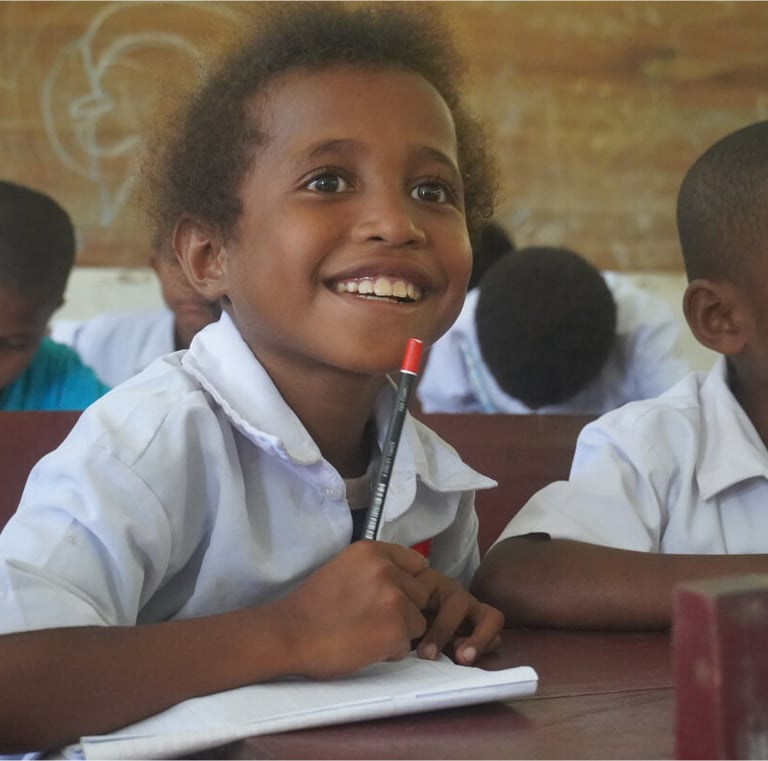
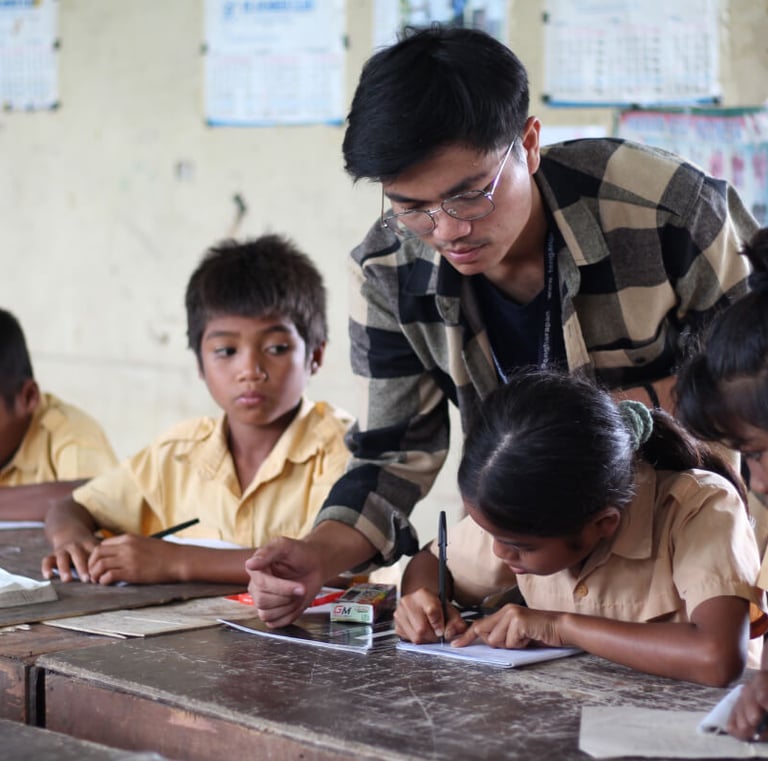
Although the general enrolment into primary school is fairly good for children in Vietnam (around 93%), poverty and discrimination means that many children don't manage to complete their education or reach their full potential. In fact, over one third of all disabled children in Vietnam don't even go to school.
The majority of disadvantaged children come from remote areas, and most significantly from ethic minority communities such as the H'mong and the Dao, who have enrolment rates of 41% and 71% respectively.
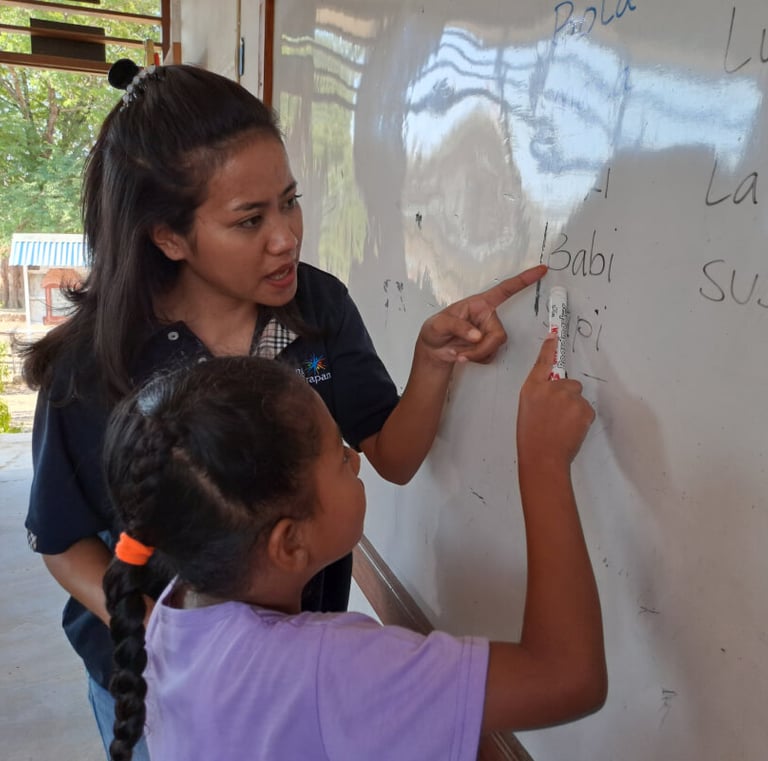
Many children who work in the mountainous areas have to walk for several hours just to reach the nearest school. In addition to this, the children of these remote and ethic communities must face the task of trying to learn Vietnamese, as this is not their first language.
70% of all ethnic dropouts from schools are girls, as most parents choose to invest in boys, as they have better opportunities to get high-paying work in the future. [1b]
page 1
page 2
page 3
page 4