Children of the Philippines - 3
Child Education
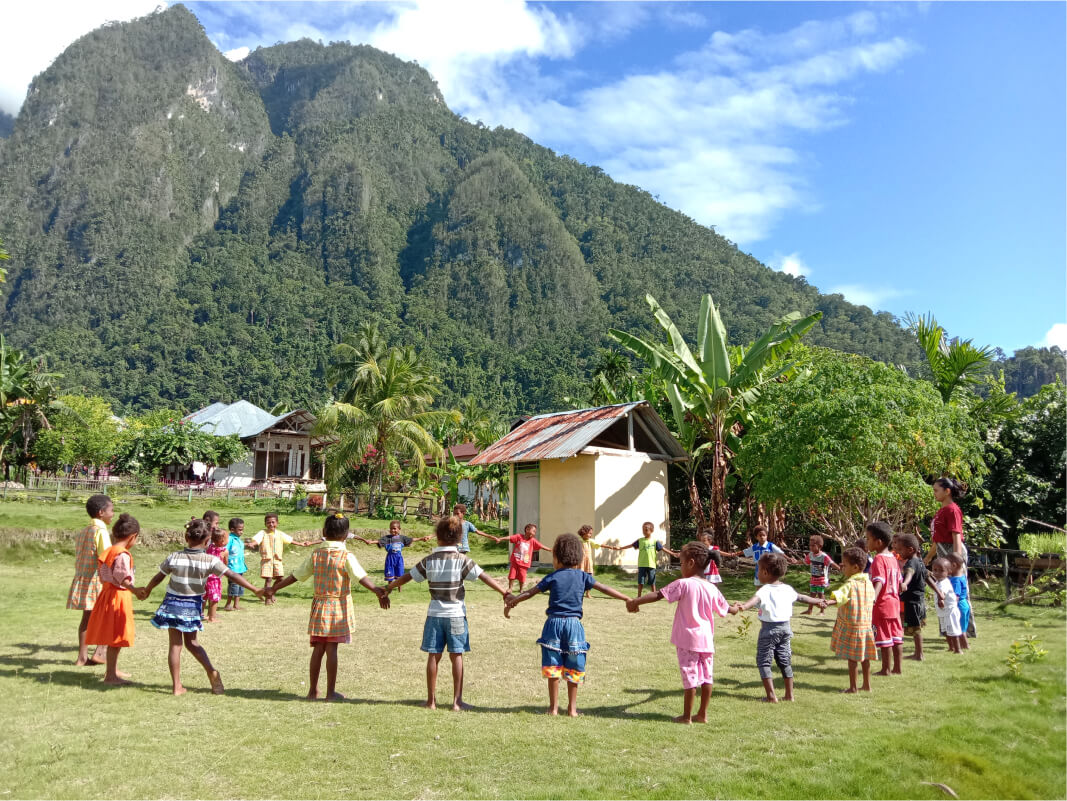
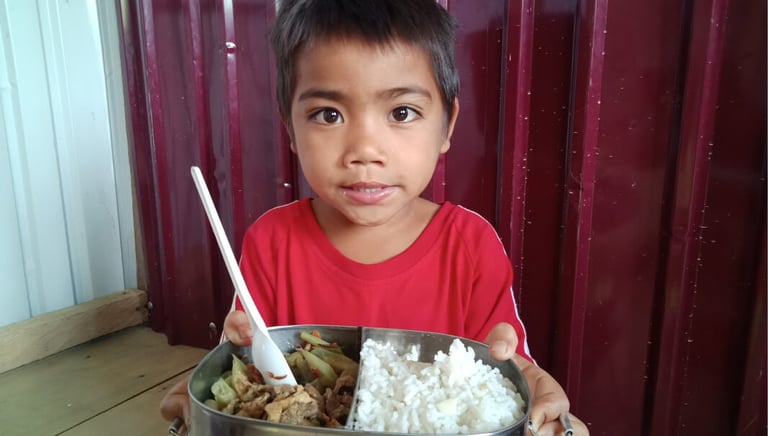
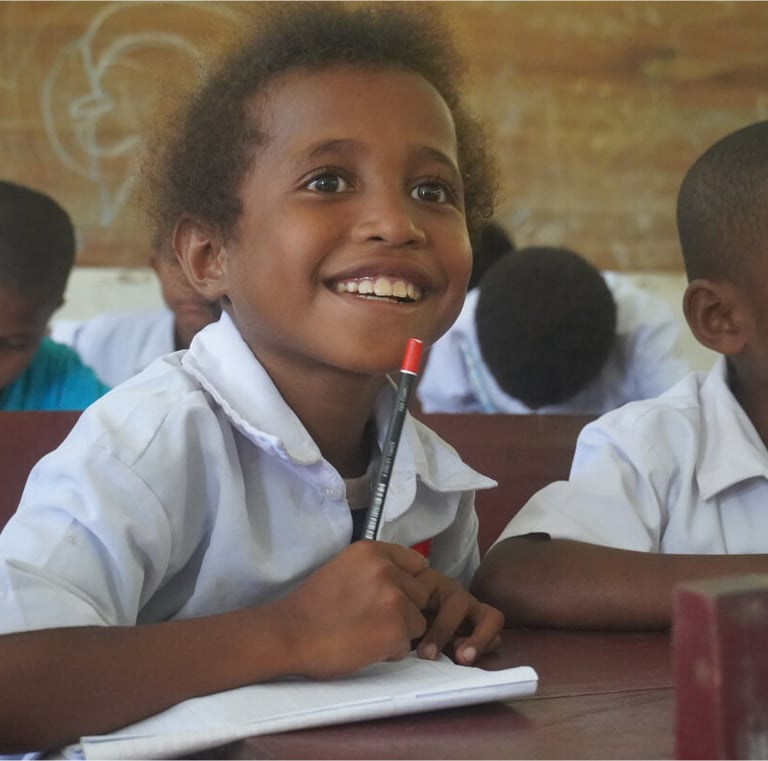
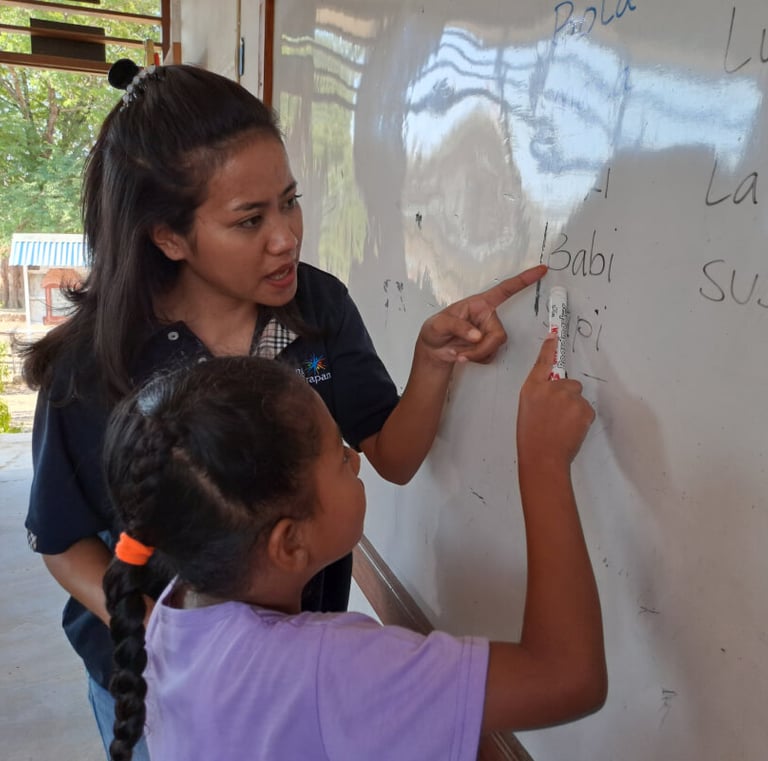
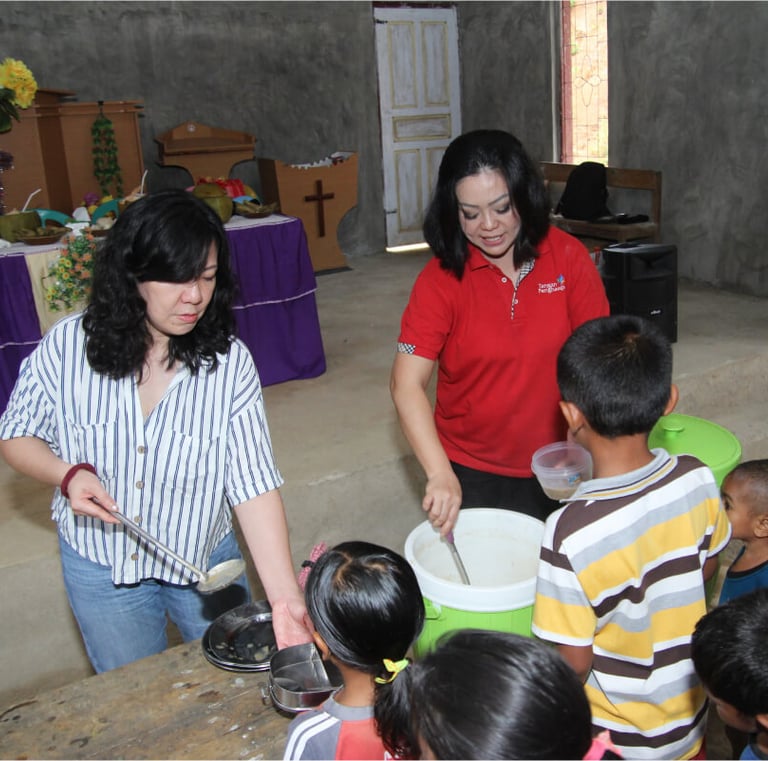
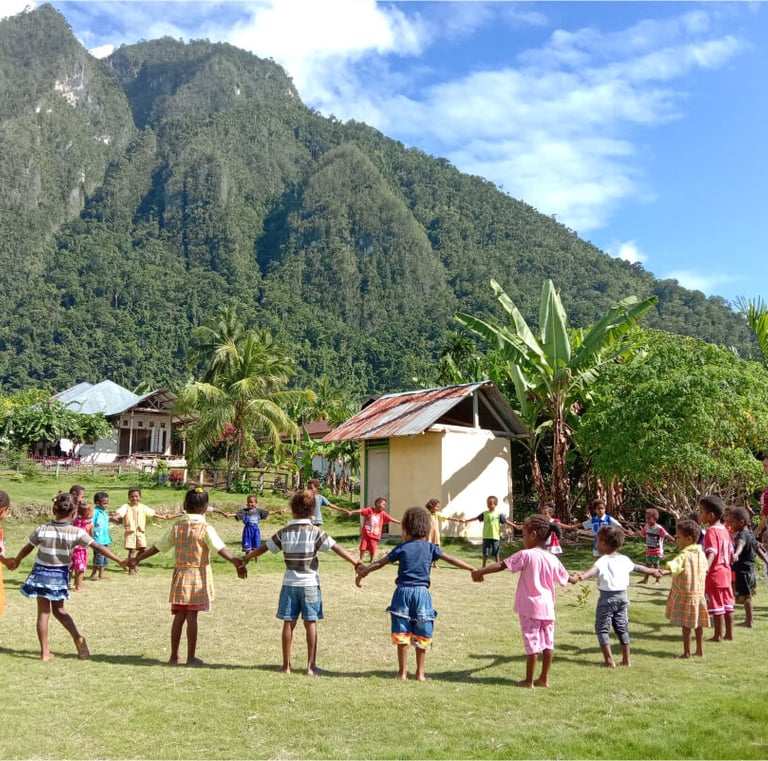
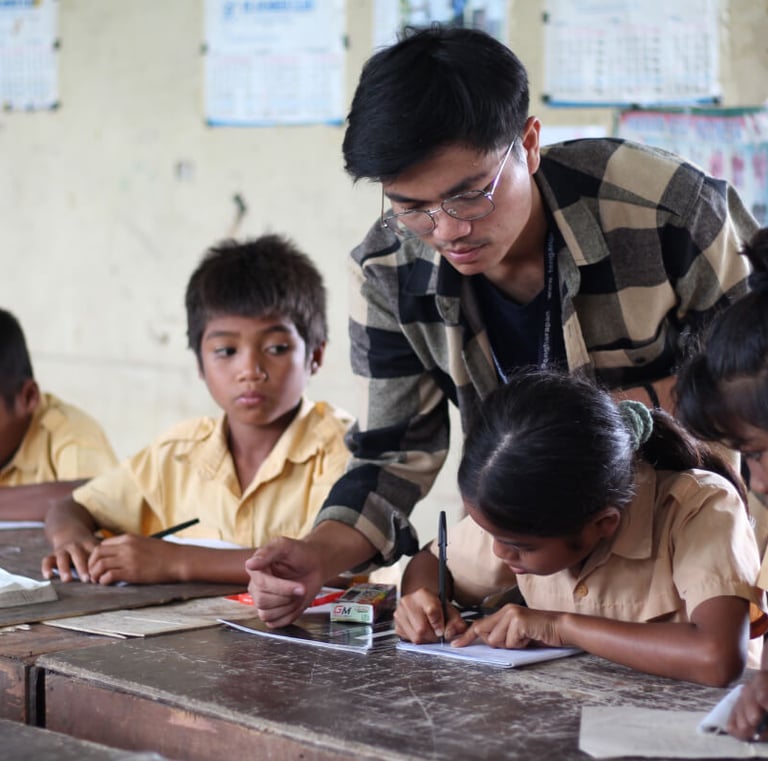
Education is another area where Filipino children are badly let down. More than half of over 42,000 barangays in the country don't have the provisions for a pre-school. In fact, only a dismal 19% of children aged 4 to 6 years old have the means to go to a private or public pre-school.
In addition to this, around 30% of the barangays can't offer the required 6 years of elementary education, which means that Filipino children are missing out on many of the basic life skills they need in order to become fully-functioning adults.
Perhaps one of the most disturbing facts about education in the Philippines is that around 2/3 of children drop out of school before they even reach second grade, and around 61 towns in the country don't even have a high school. 1d
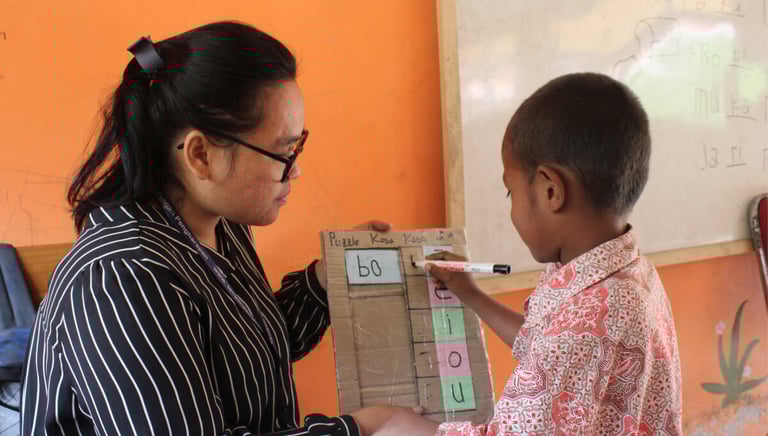
Although public education in the Philippines is free, attendance and enrolment rates have remained notoriously poor. The average number of students in a class ranges from 33 to 55 children, which is often thought to be detrimental to children's learning, as it is hard to give a child proper, individual attention in such a busy environment.
The educational standards and systems have been subject to debate over recent years as well, and many feel that they are inadequate. Out of 1.3 million grade 6 students who took the High School Readiness Test (pass grade 50% or over), only 18% passed for competency in English, 10% for Science, and 8% for Math.
Not only this, but around 3 million children in the country are not involved in any kind of education. The enrolment rate for high school is only around 57% and only 60% of these students reach and complete the last year. 3a
Terrifyingly, abuse also occurs within the Filipino educational system. 1 in 3 children claims to have experienced abuse in school.
Water and Sanitation
Many children in the Philippines are affected by poor sanitation and unclean drinking water. According to Government data, around 36% of the country's river systems are classified as sources of public water supply. However, up to 58% of groundwater sampled is bacteriologically contaminated and needs treatment.
Approximately 31% of illnesses can be accounted for because of infected water and sanitation problems. This leads to the death of many children, especially in rural communities, and causes severe disabilities and illnesses in other children. 5
Deserving a Future
The children of the Philippines are in great need of better education, social, and health systems. However, they seem rarely noticed compared to many other prominent third world countries. But there should be no mistake; the Filipino children deserve the same chance at a bright future as all other children do.
Sources
1-1d. Child Protection in the Philippines http://www.childprotection.org.ph/
2. ECLT Foundation http://www.eclt.org/
3. Camp Sonshine Center Foundation Inc. http://sonshinecenter.org
4 - 4a. UNICEF http://www.unicef.org
5. IRC http://www.irc.nl/
page 1
page 2
page 3