Children of the Philippines - 2
Child Abuse
The number of children reported to be abused in the Philippines is considered to be just the tip of the iceberg, as many crimes go unreported due to their illegal nature.
The number of reported child abuse cases is startling. In 1998 there were 2,716 cases, in 1999 there were 11,245 cases, and in 2000 there were 11,045 cases. However, these figures continue to hover in these high regions. In 2001 there were 9,468 cases, and in 2002 there were 10,045 reported cases. Although the amounts fluctuate each year, they do not show a significant decrease.
Child abuse comes in many forms in the Philippines , including psychological, physical, sexual, and neglect. 85.9% of all children in the country have experienced one or more forms of these kinds of abuse.
History of Child Abuse
| Psychological |
Physical |
Sexual Molestation |
Forced Sex/Rape |
Neglect |
| 59.7% |
82.9% |
11.9% |
1.8% |
5.4% |
There are strong links between child maltreatment and other socioeconomic phenomena, such as drug addiction, poverty, substance abuse, spousal abuse, and street children.
2,393 children fell prey to rape, incest, and other forms of sexual abuse over the course of one year (1999). And many more suffered the same fate, but never had the opportunity to report it. [1b]
Child Health
Healthcare in the Philippines is in a dire state. There is only 1 hospital per 113,040 people, meaning that many health institutes are overrun with patients that they just don't have the room or the facilities to care for. There is only 1 doctor per 24,417 people, and only 1 nurse per 22,039 people. In addition to this, there is only 1 dentist for every 578,124 people in the country.
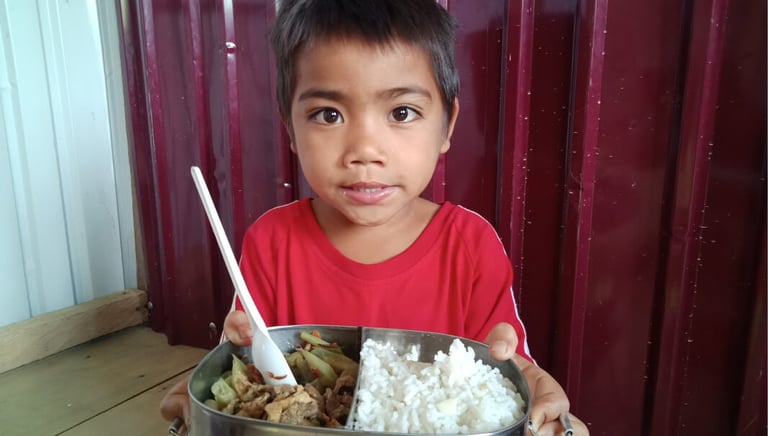
In the Philippines , over 28% of children under the age of 5 are recognised as moderately or severely underweight. This is caused by a lack of money to buy foods, overworking of children, and insufficient vitamin intake. In fact, 49% of the total population of infants in the country suffer from iron-deficiency anaemia, as do 26% of all children aged between 1 and 6 years old.
In addition to this, the infant mortality rate for the country is 42.73 per 1000 live births - that's just over 4%. For a country with such a large population, it is a terrifying thought that there is only 1 midwife per 722,654 people. [1c]
Of all the births in the country, 8 out of 10 are not performed in a health facility, which means the mother and child do not receive adequate medical care or treatment.
Out of every 1,000 children, 30 below the age of 1 die each year, and 42 die before reaching the age of 5. There are many contributing factors to these deaths, including under nutrition, poor immunisation, lack of nutrients, and unhygienic living conditions. [4]
page 1
page 2
page 3