The future belongs to the children
World Children's Mission
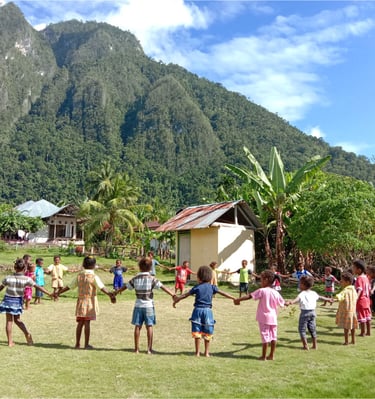
We work with other organizations to help underprivileged families and children in rural areas to have better access to health, education and income generating activities.
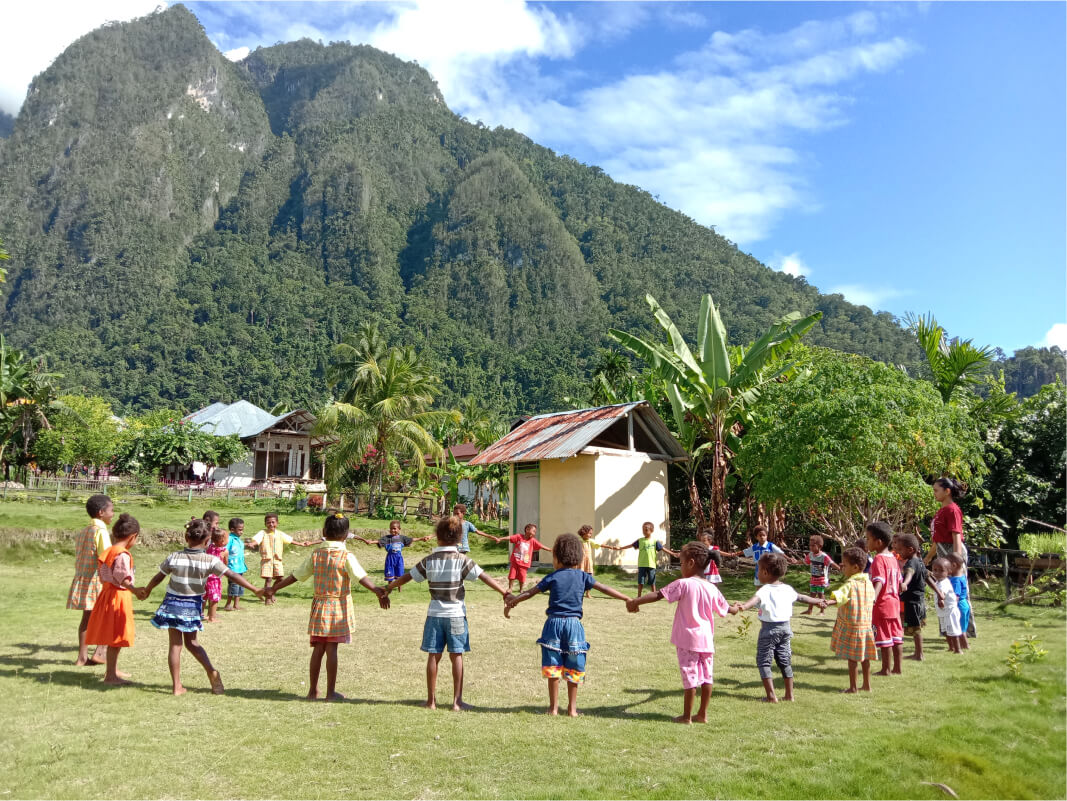
Helping Underprivileged Children
Giving Better Future for Orphans
We create a holistic approach to help orphans to get better chances to survive and develop themselves to be able to live independently & then they can help other orphans as mentors.
Our Programs
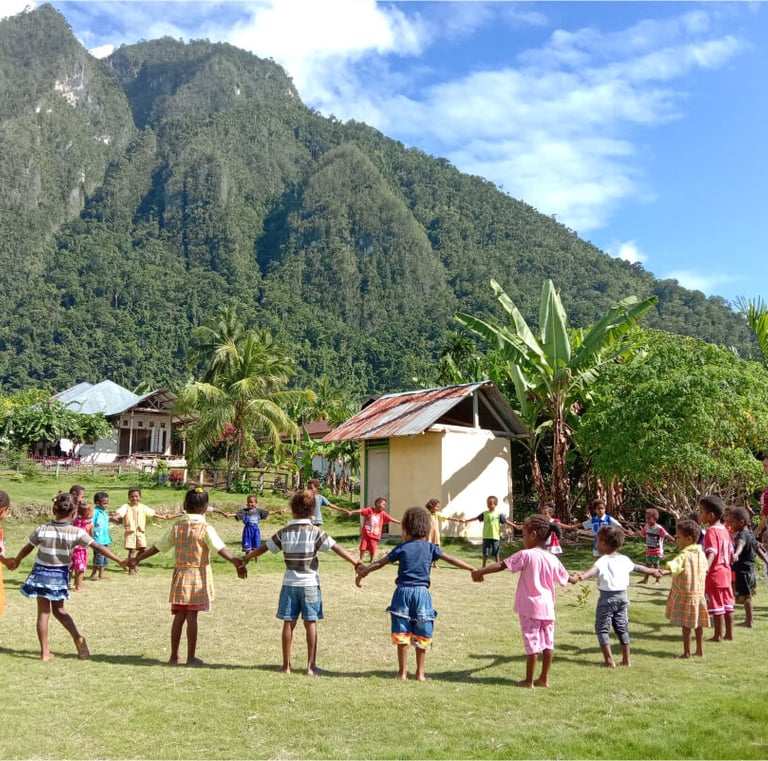
We partnered with Tangan Pengharapan Foundation to help the children in remote parts of Indonesia to get better life from improved nutrition & education system.
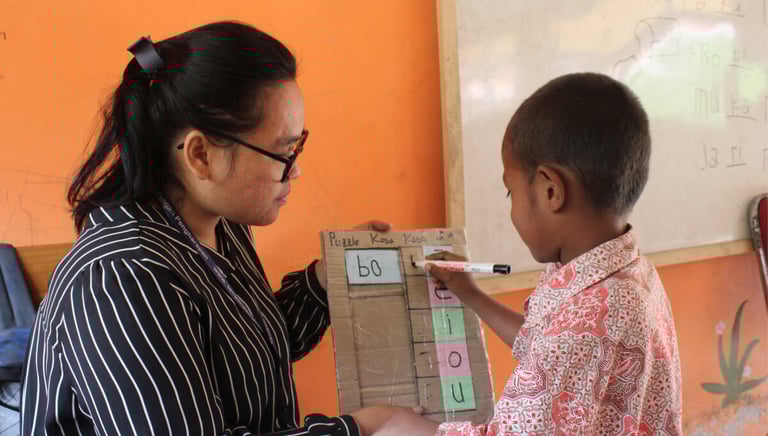
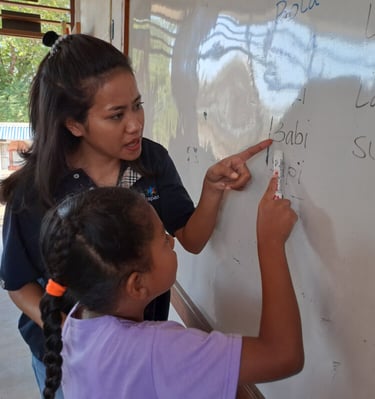
Support Teachers Project
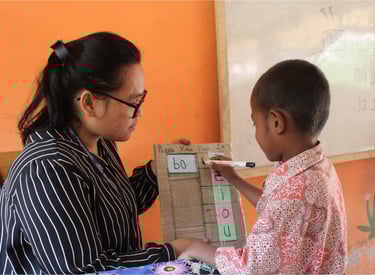
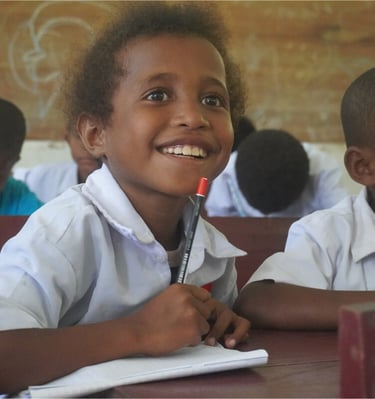
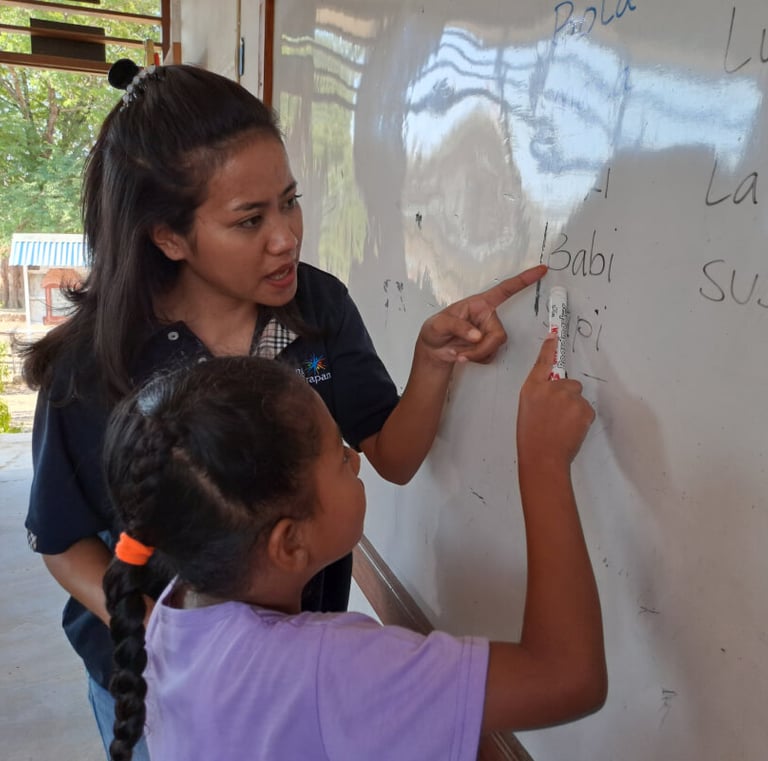
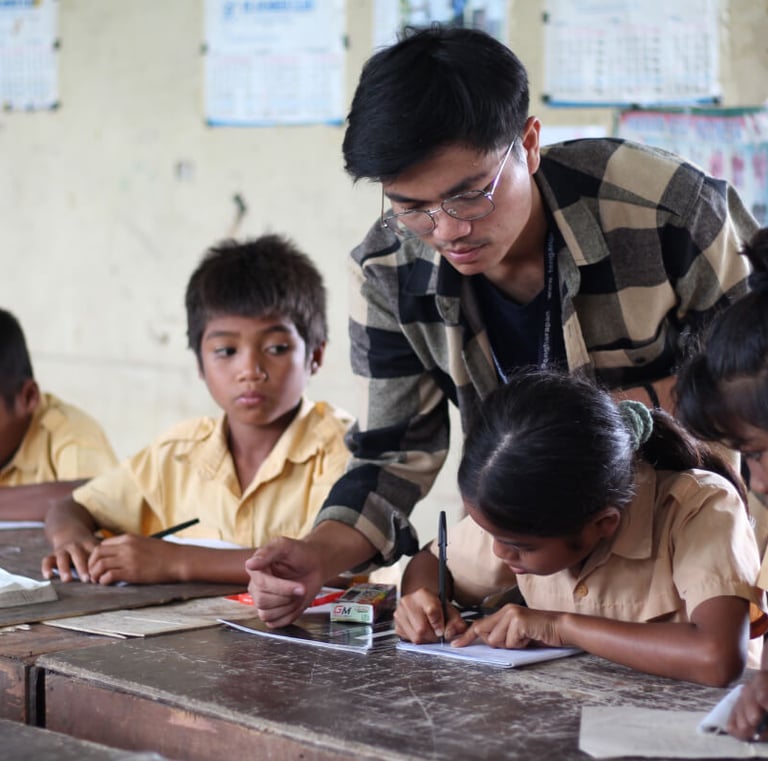
We help children in the remote parts of Indonesia to have access to education by hiring qualified teachers to teach them. These teachers work in schools where there are no teachers available.
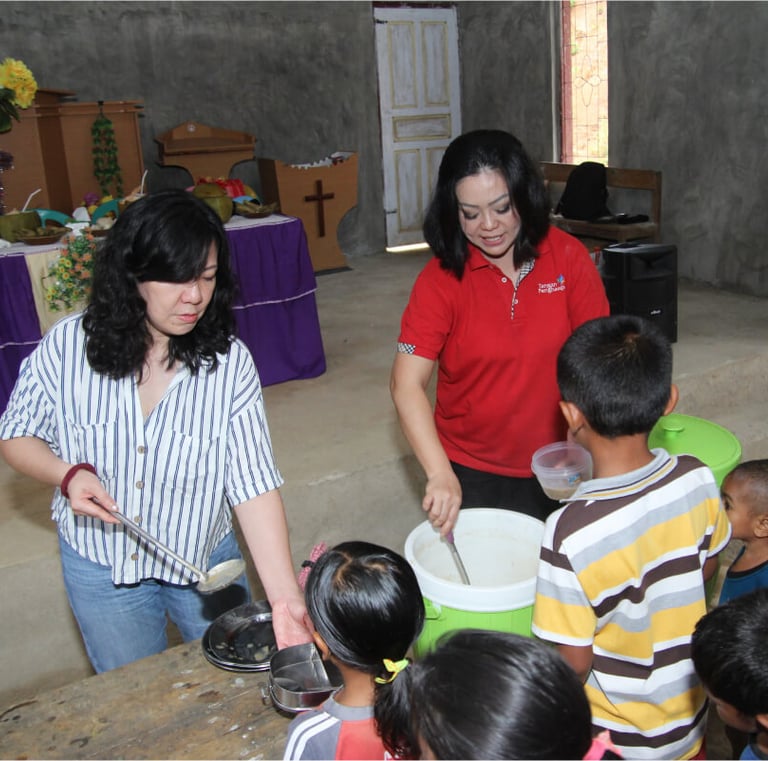
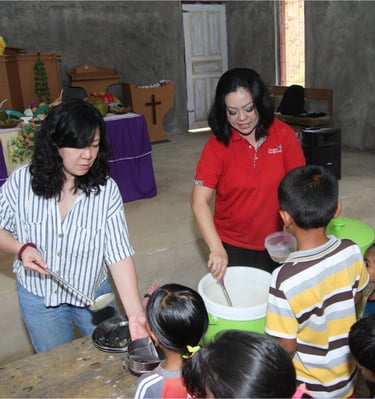
Feeding Centers
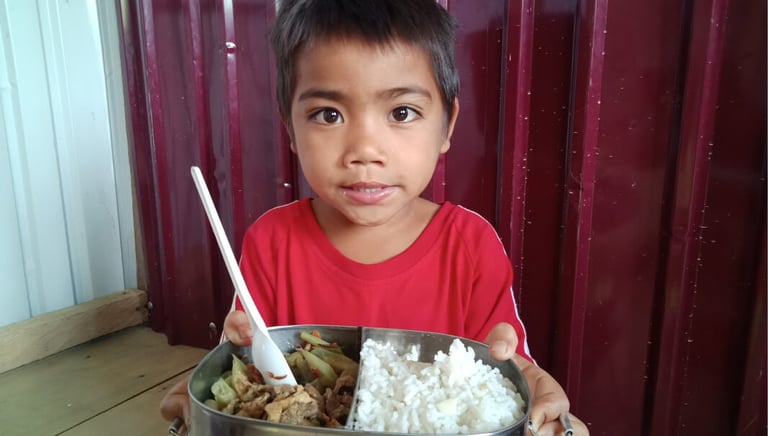
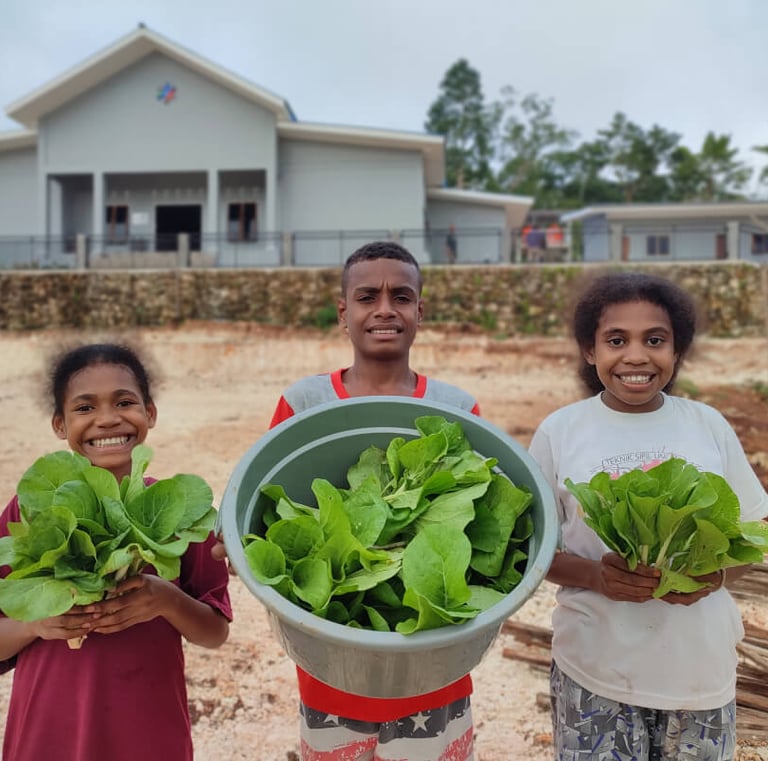
Do you know malnutrition is number one threat of children's growth and development, as well as their survival that can cause morbidity and mortality? Our feeding centers help malnourished children to have better nutrition for their future.
Main Projects that We Support
Our Projects in Indonesia
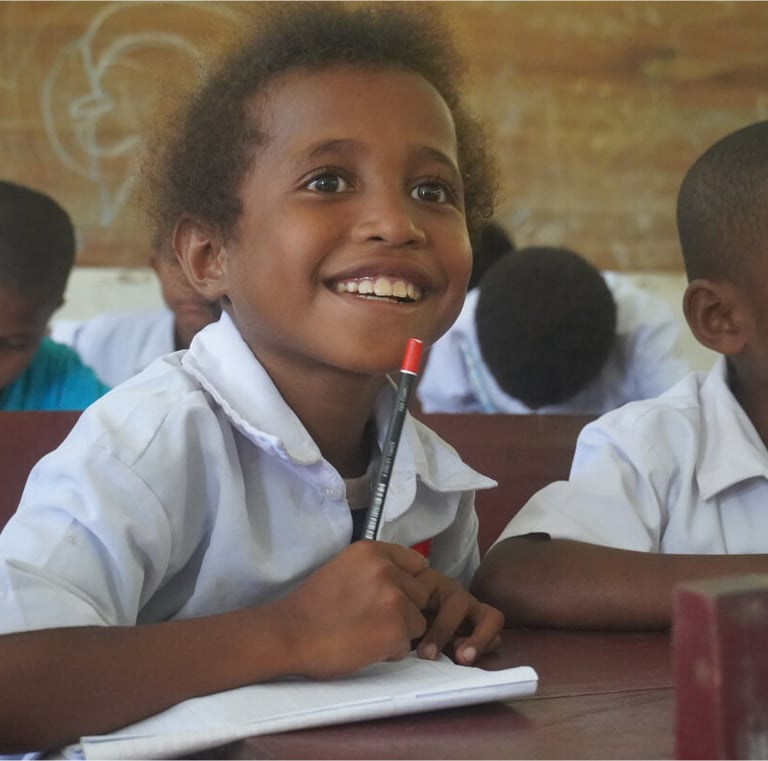
I want to support the kids in Indonesia for a better future, World Children did a perfect job!
Anita S.


★★★★★