Mini Report

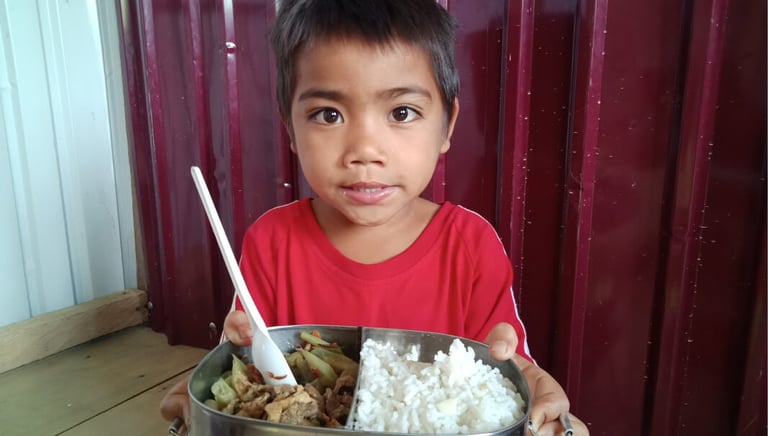
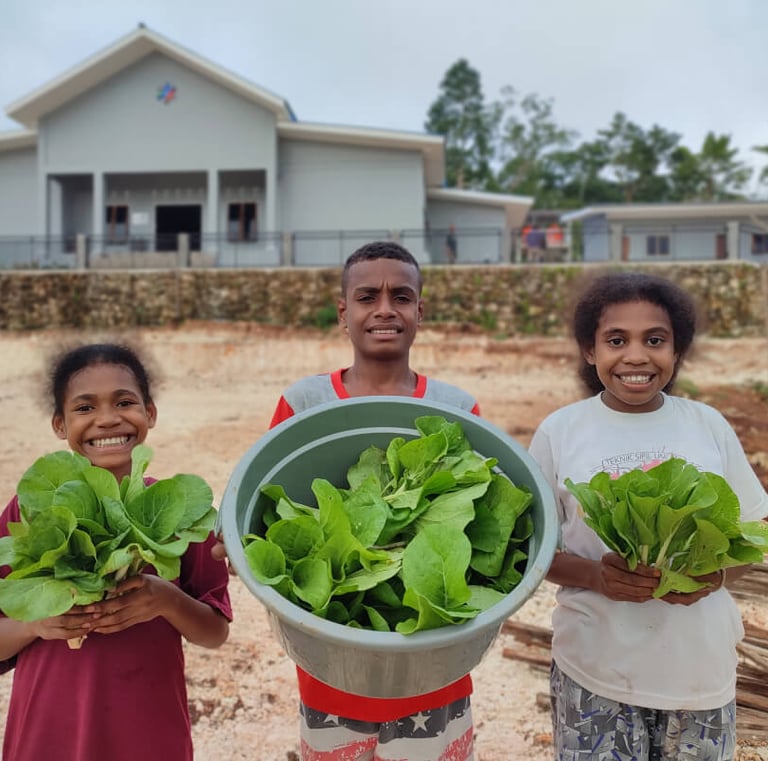
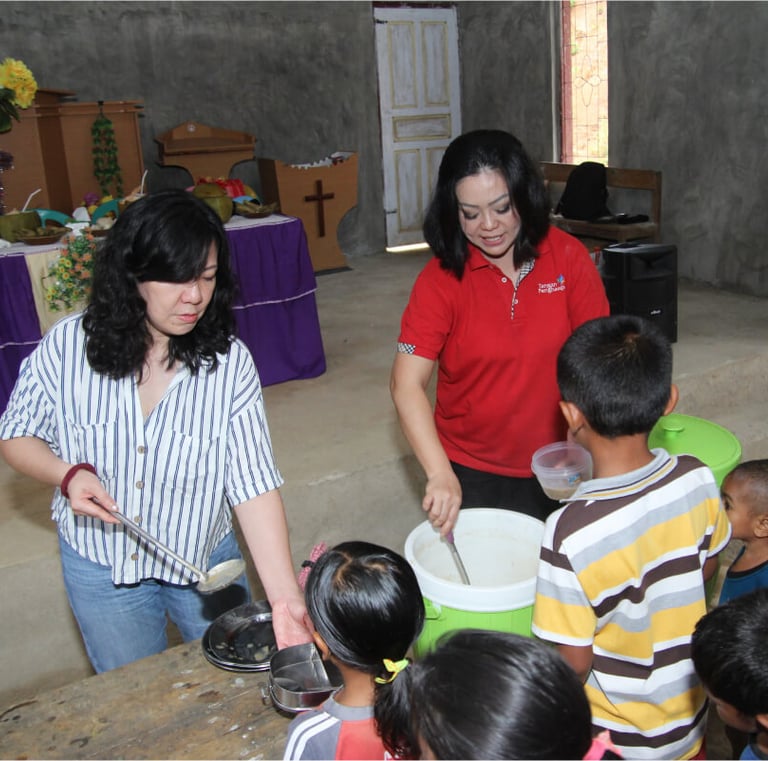
There are many children in the world who don't have access to all of the things that you do. Some children don't have medical supplies to use, some don't have any food to eat, and others have no clean water to drink or use. Some children are even made to go to work.


Child Labour
Many children are forced to work in factories, farming jobs, and in sales companies in order to make enough money so that they can eat. They don't get to go to school like you do.

In Nepal , 2.6 million children are made to go to work. They have to work up to 15 hours a day. In Vietnam , children have to work in gold mines, cargo transportation, and timber operations. This work is very dangerous, and children are often beaten to keep them working impossibly long hours.

In Cambodia , 19% of children (nearly 120,000 children) are in bonded labour, and many are sold to local money lenders for as little as $31.

Another country where more than 3.5 million children are made to work under gruelling conditions is the Philippines . 60% of children working here are found in the rural areas.

An estimated 70 to 80 million children in India are forced into child labour each year as well, and around 1 in 50 households employ child domestic workers in Ethiopia .

In Kenya , 41.3% of children work to earn money for their families. Many children start working as young as the age of 10 years old. Imagine if you had to do that.


Child Health
In many countries, children don't have doctors they can visit when they feel ill, or hospitals where they can go for operations. They are left with almost no medical treatment at all.

In Nepal , 27,000 children die every year from diseases like diarrhoea, which are easy to avoid. And in Northern Vietnam , many villages are over a 4 hour walk from the nearest medical or health centre. Medical treatment or care is not always carried out by health professionals in this country either. For example, in 1999 only 49% of births were carried out by trained midwifes.

In Cambodia , almost 50% of children are malnourished, and 1 in 8 dies before their 5th birthday. Child health problems can also be seen in the Philippines . There is only 1 hospital per 113,040 people, meaning that many health institutes are overrun with patients that they just don't have the room to care for.

In India , there are around 2180 thousand deaths every year of children under the age of 5 years old, and in Ethiopia , 1 in every 20 children dies before the age of 1 month old. In Kenya , 34% of children are stunted and 25% of children are underweight.


Child Education

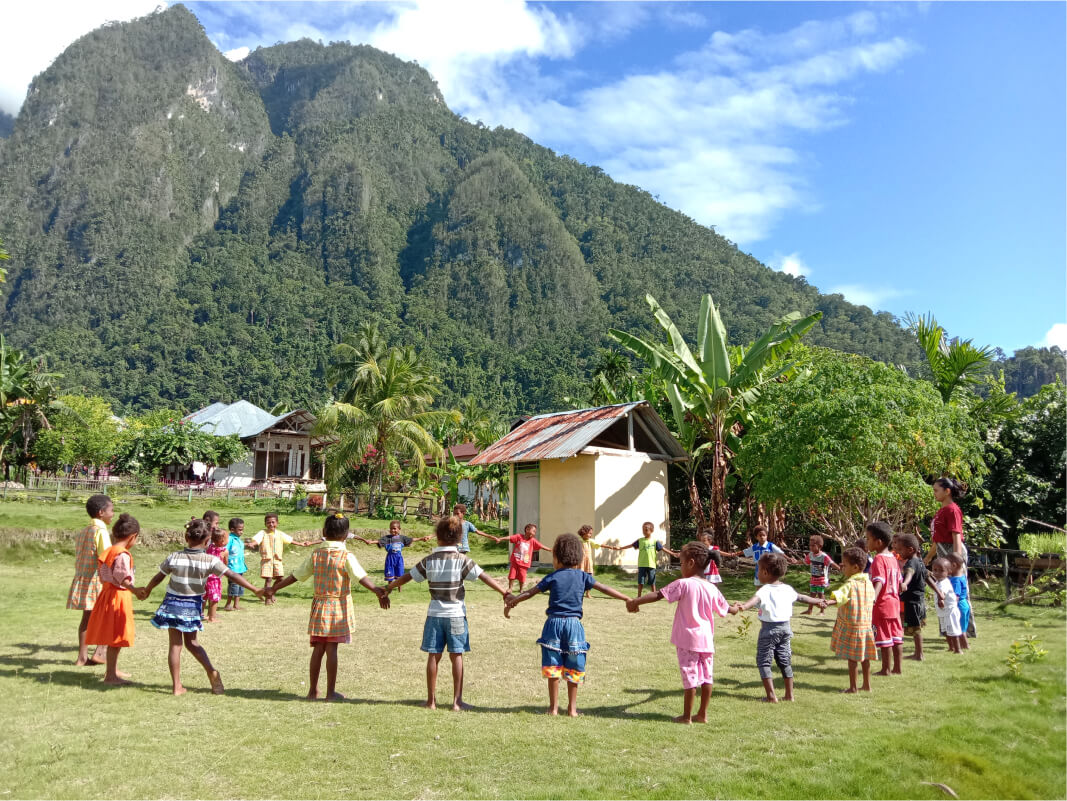
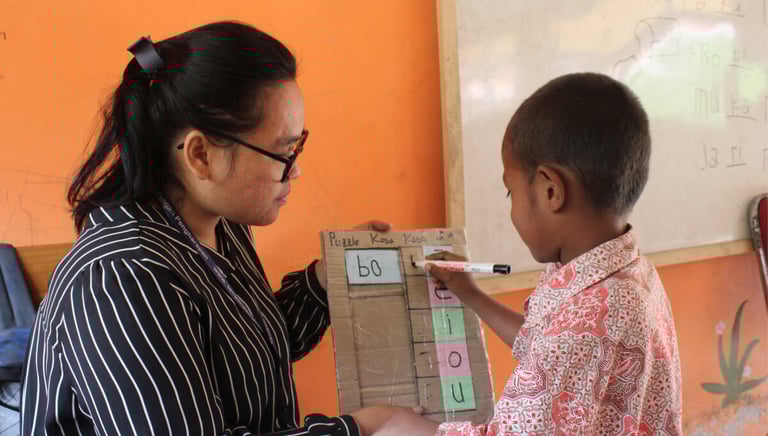
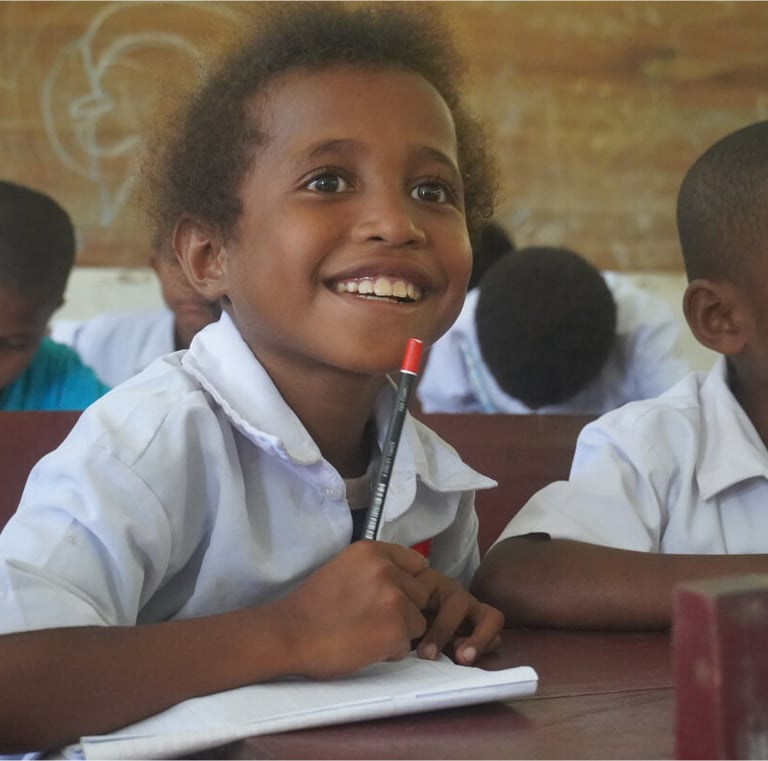
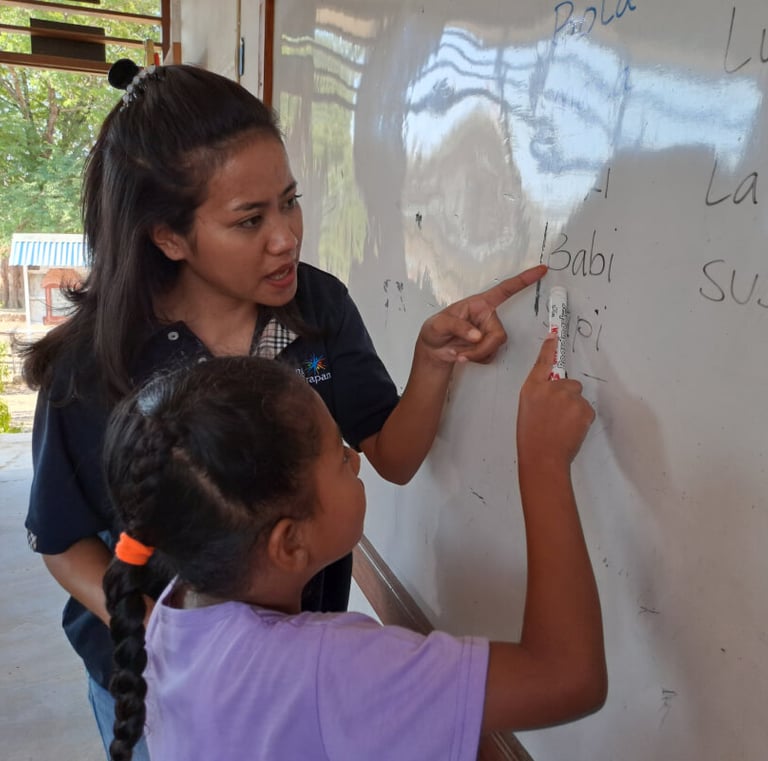
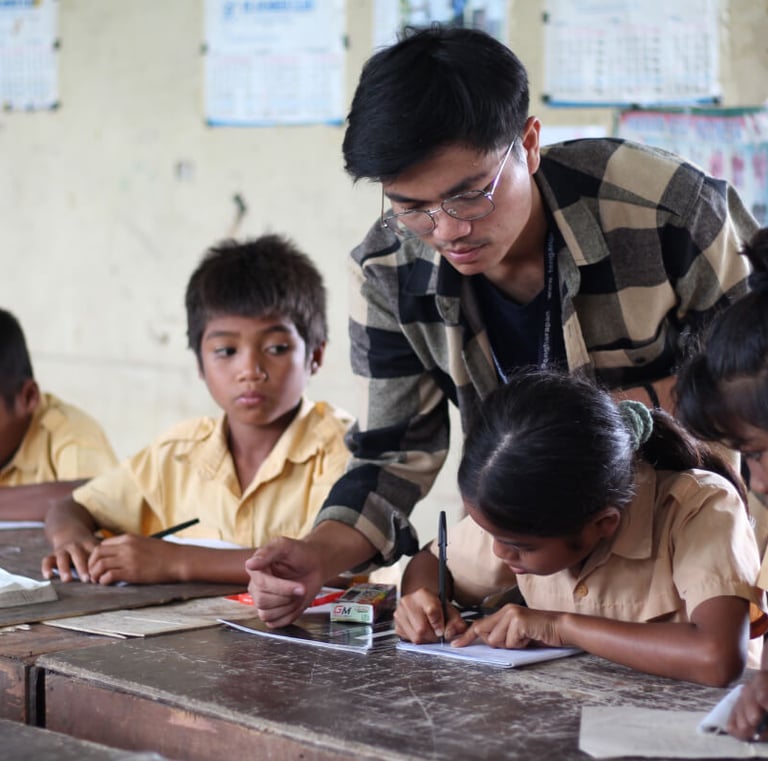
In many countries, we take going to school for granted. However, many children don't get the chance to go. For example, children who live in the mountainous areas of Vietnam have to walk for several hours just to reach the nearest school.

In countries like Cambodia , more than 30% of the population can't read or write, and the primary school enrolment figure stands around a low 65%. That means that 35% of children are never enrolled in a school, so receive no formal type of education.

In the Philippines , 42,000 barangays in the country don't have the supplies for a pre-school. In fact, only 19% of children aged 4 to 6 years old have the means to go to a private or public pre-school.

In India , only around 65% of people can read or write, and in Ethiopia , there are an estimated 14 million children that are of an age where they should be enrolled in primary school. Unfortunately, 36% of them aren't – that's around 5 million children who aren't getting the education that they're supposed to.

In Kenya , only 35% of children participate in pre-school education, and only 44% of children complete primary school.


A brighter future
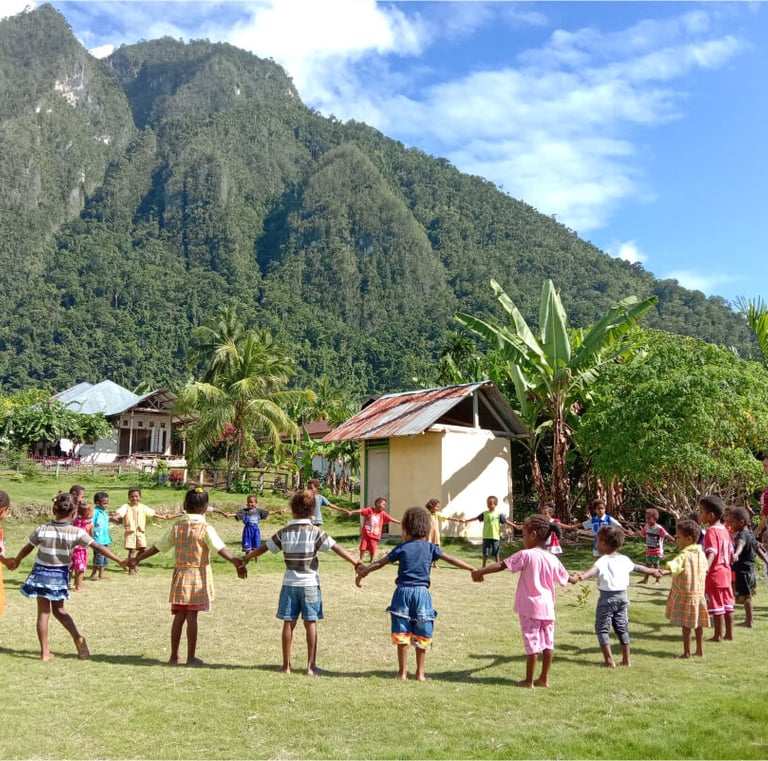
The children in these countries deserve so much more than they have been given. They should be able to go to school, learn new things, and meet new people. They should be able to go to the hospital when they feel ill, and eat food that is safe and nutritional. Most of all, these children deserve a brighter future.

© 2008 World Children's Organization. All rights reserved.